Plans that go stale overnight
Building a plan takes days. By the time it is ready, demand, capacity or transport has already moved.
OR Genie is a consulting partner for organisations whose plans, schedules and forecasts have outgrown spreadsheets. We model your real constraints, predict what is coming, and build decision systems your teams use every day.
These are the patterns we hear when a business has outgrown intuition and spreadsheets.
Building a plan takes days. By the time it is ready, demand, capacity or transport has already moved.
Shifts, machines, fleets, service levels and compliance create millions of combinations no planner can search.
Point forecasts without uncertainty push teams to override them, so buffers grow and working capital gets trapped.
Promising pilots never reach the planning cycle because nobody engineered them into the tools people use.
We combine mathematical optimisation, machine learning and software engineering. The method follows your problem rather than our preference.
01
Optimisation and simulation for planning, scheduling, routing and allocation. We formulate your objectives and constraints mathematically, then solve them with the method that fits.
02
Production-ready machine learning and generative AI. Models, services and interfaces that run inside your planning cycle, with monitoring built in.
03
Forecasting, experimentation and analytics that come with their uncertainty, so plans can account for risk instead of ignoring it.
04
We bring data, models and business context together around a specific decision. Trade-offs are explicit, recommendations are explained, and outcomes feed back into the next decision.
05
Marketing mix modelling, budget allocation and promotion planning. We measure what each channel really drove, find where extra spend stops paying, and turn it into a budget plan your team can act on.
Meet Geniemix, our MMM productEvery industry has its own hard problems. Pick one to see what goes wrong and how we help.
 Schedule re-optimised
Changeovers minimised
Orders, machines, changeovers and maintenance windows all compete for the same hours. Spreadsheet plans break the first time a line goes down.
MILPConstraint programmingMachine learning
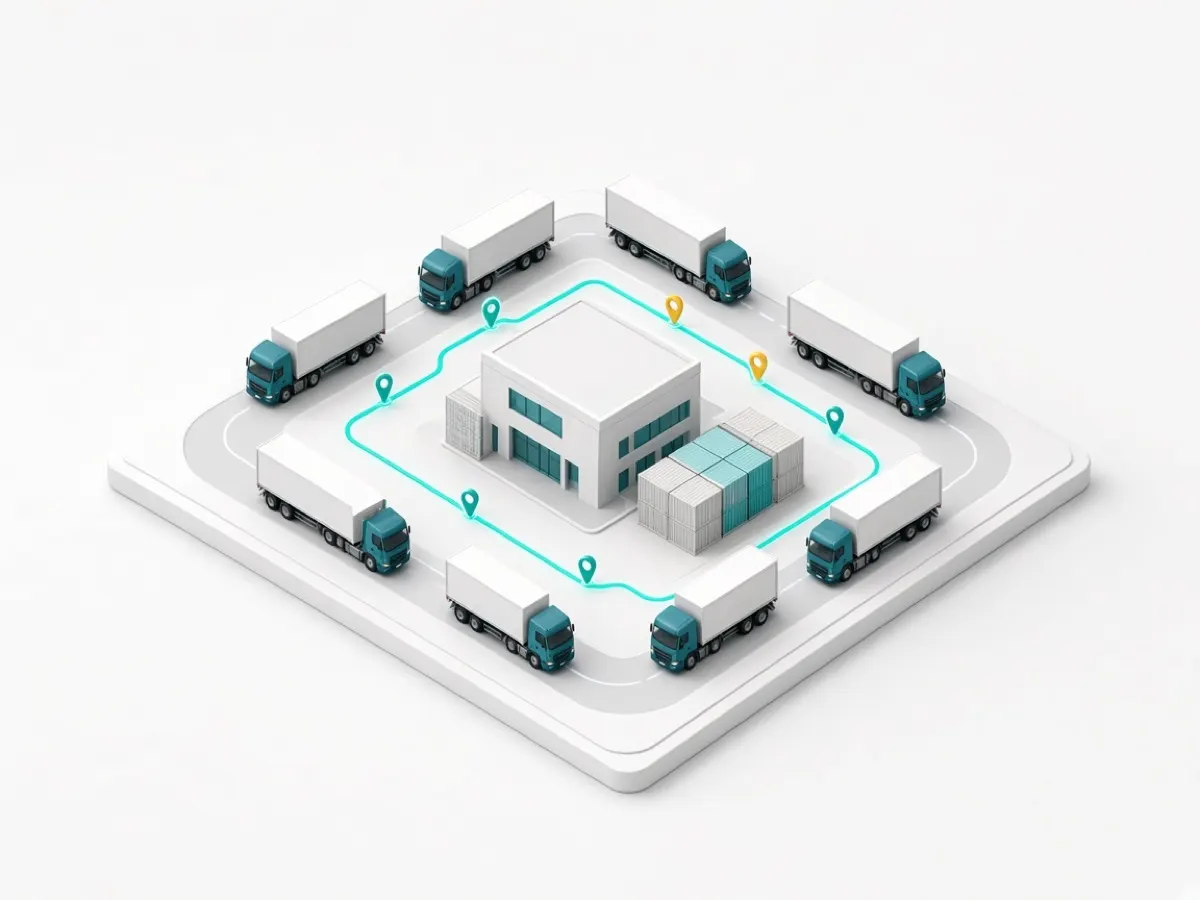 Routes re-planned
Time windows met
Every lane, depot and truck trades service against cost. Small routing and stock-placement choices add up to large freight and inventory bills.
Vehicle routingNetwork flowMetaheuristics
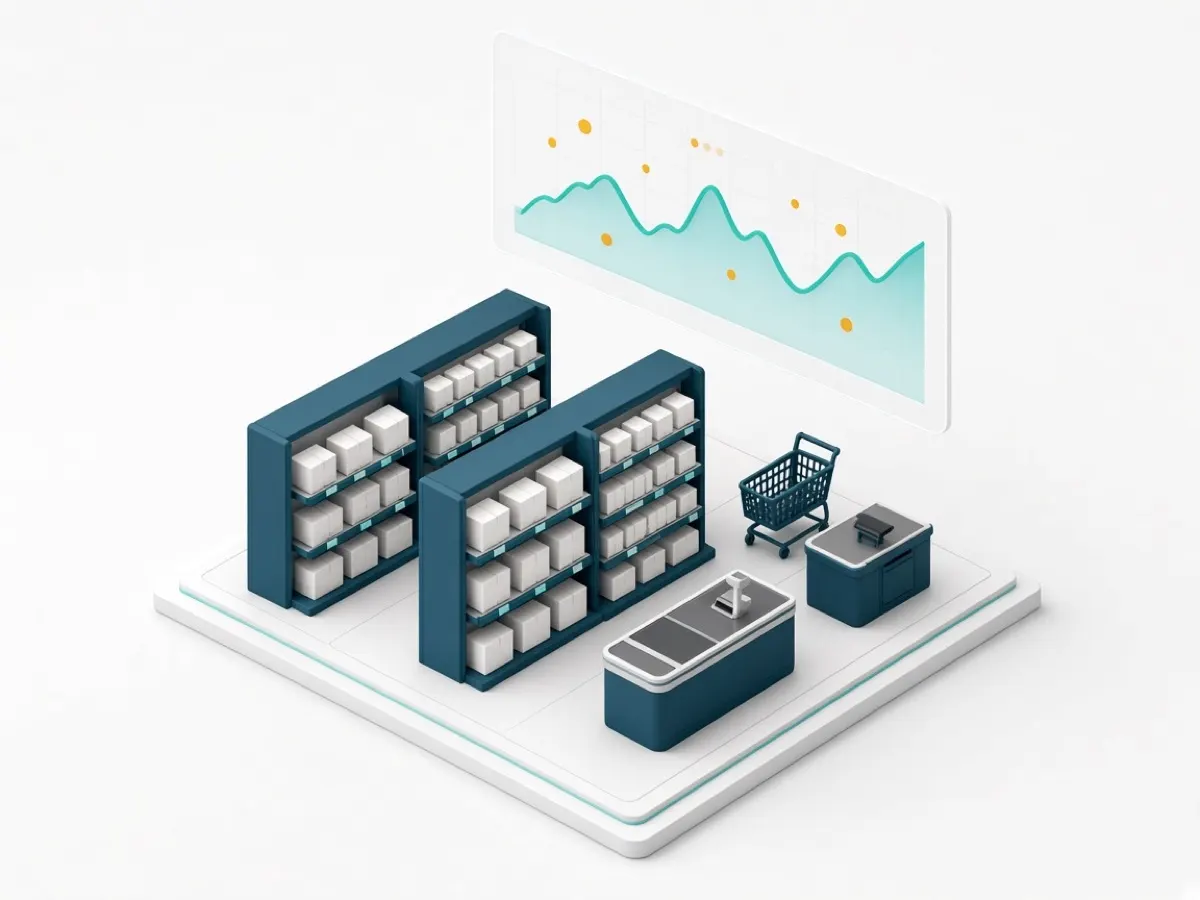 Forecast updated
Replenishment planned
Demand moves with seasons, promotions and weather. Too much stock ties up cash. Too little loses the sale and the customer.
ForecastingPrice elasticityStochastic optimisation
 Budget re-allocated
Saturation point found
Every ad platform takes credit for the same sale. Budgets end up following those claims instead of results, and nobody can say which channel still has room to grow.
Bayesian MMMResponse curvesBudget optimisation
 Prefer self-serve? See Geniemix
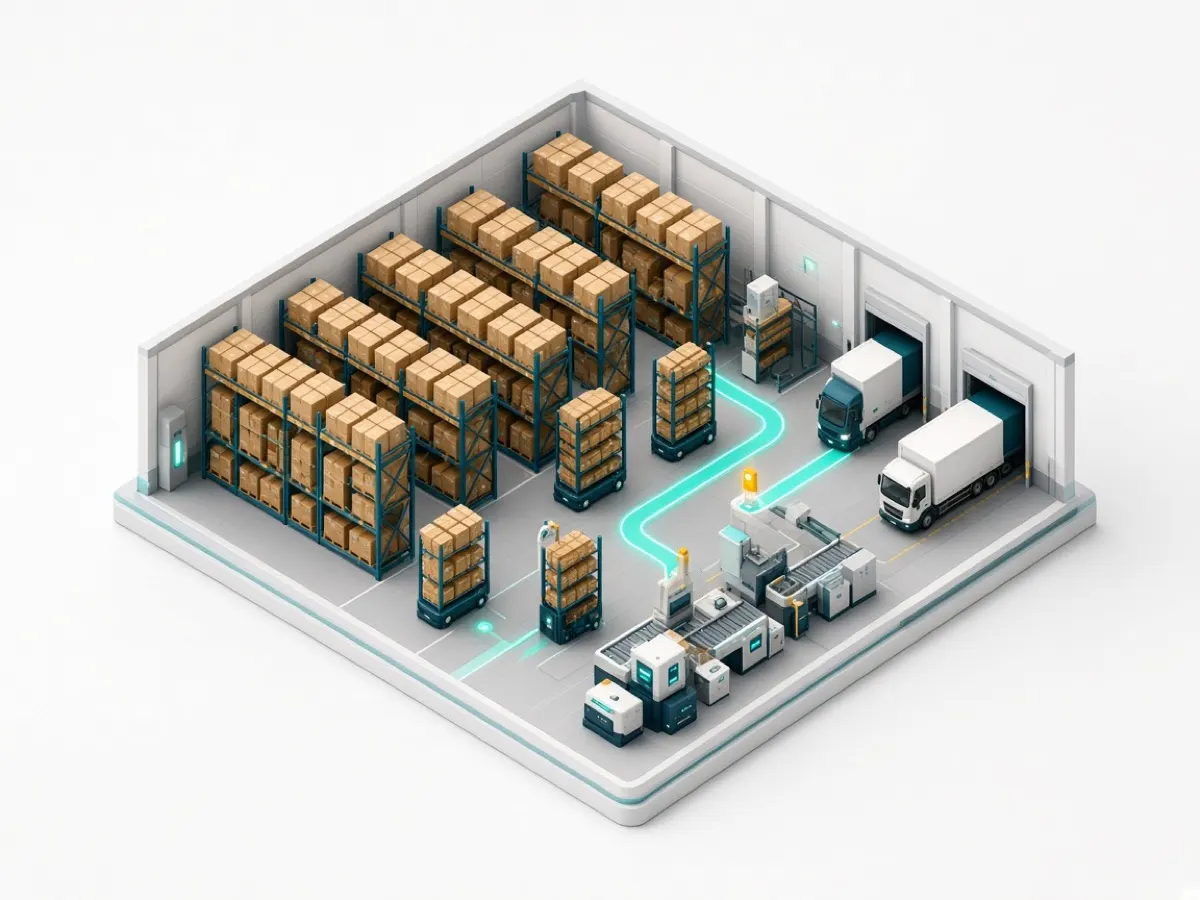 Pick path optimised
Dock slots balanced
Order profiles change every day. Slotting, picking and dock schedules designed for last year slow down this year's peak.
Combinatorial optimisationSimulationForecasting
 Recovery plan ready
Crew legality checked
Aircraft, crews, gates and maintenance are tightly linked. One late inbound flight can ripple across the network within hours.
Column generationSet partitioningSimulation
 Theatre slots planned
Bed flow simulated
Beds, theatres and clinicians are scarce, and arrivals are uncertain. Queues form wherever capacity and demand don't line up.
Discrete-event simulationRosteringForecasting
 Campaign scheduled
Expiry risk flagged
Batch processes, shelf life, quality release and cold chains make every planning decision tighter, and every mistake more expensive.
MILPStochastic planningForecasting
 Dispatch scheduled
Load forecast updated
Supply has to match a demand curve that keeps moving, while renewables, storage and outages add uncertainty.
Time-series MLMILPScenario analysis
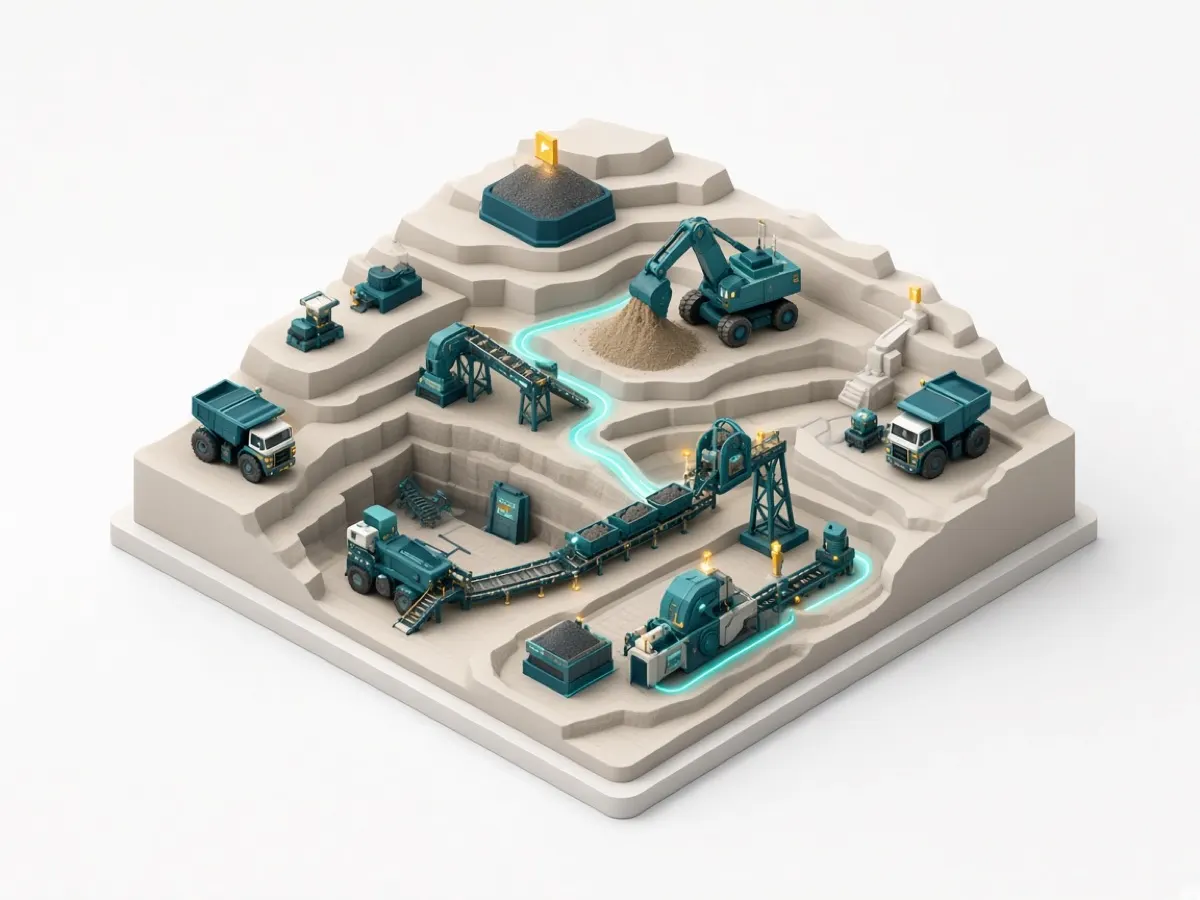 Fleet re-dispatched
Blend on spec
Material moves through pits, crushers, stockpiles, rail and port. A saving in one step can starve the next.
Network flowBlending LPSimulation
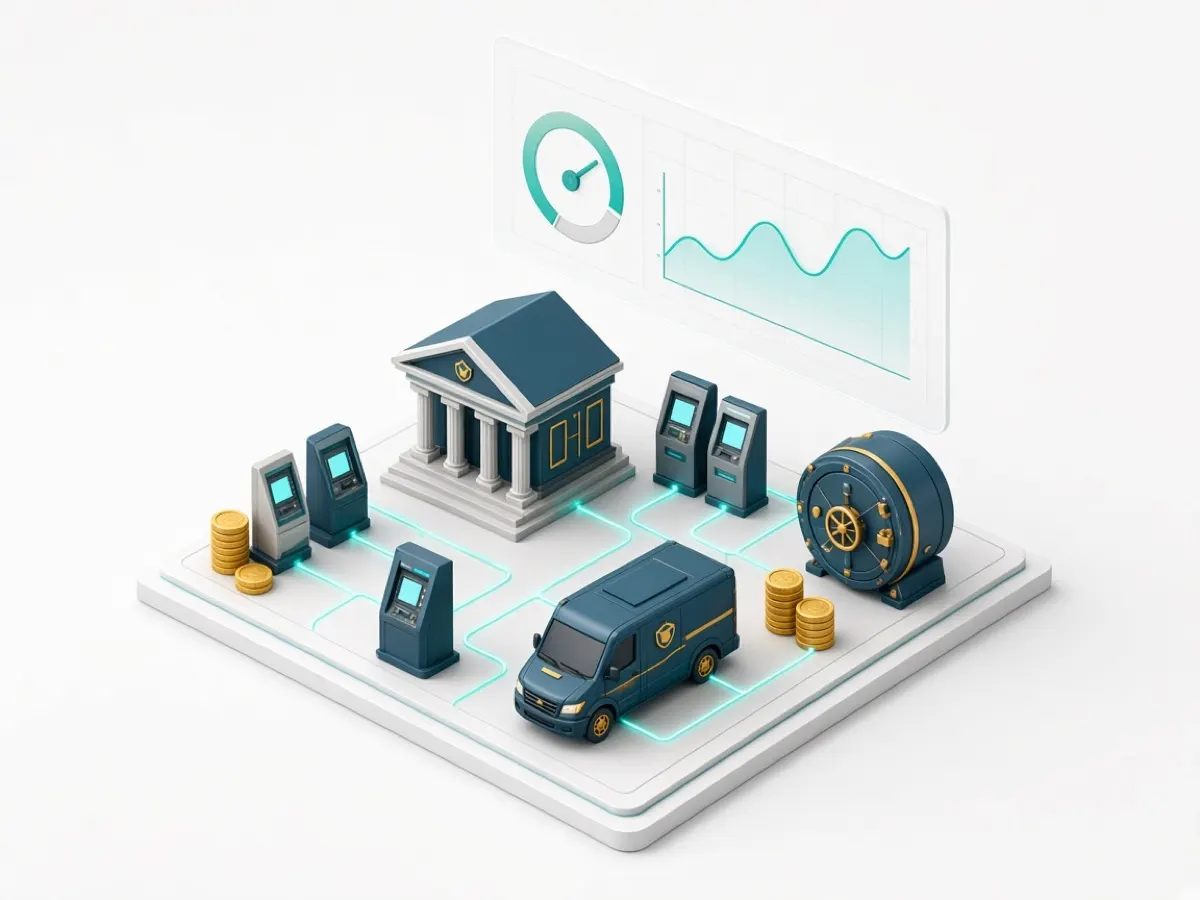 Cash plan optimised
Risk score explained
Cash, risk and service capacity have to be planned across thousands of branches, ATMs and customers, in a way regulators and teams can follow.
Explainable MLOptimisationForecasting
 Roster balanced
Interval forecast ready
Contact volumes swing by the hour. Rosters built on averages leave agents idle in the morning and queues long by the afternoon.
Queueing modelsWorkforce optimisationForecasting
Filter by practice to see where each kind of work applies. Many problems combine more than one.
Forecasts at the level your plan actually uses, with uncertainty included.
Sequences that respect machines, changeovers and due dates.
Routes and loads that meet time windows at lower cost.
Stock levels and reorder policies balanced against service targets.
Where to place plants, warehouses and lanes, and what each should carry.
Shifts that match demand, skills, labour rules and preferences.
Prices and markdowns linked to demand response and supply limits.
What each channel really drove, separated from sales that would have happened anyway.
The channel split that earns the most within your budget, limits and saturation.
Geo and holdout tests designed to check what a channel adds, and to calibrate the model.
Test a new policy, layout or capacity change before you commit to it.
Failure risk turned into maintenance windows the schedule can absorb.
Assistants that answer questions over your plans, documents and data.
Compare what-if scenarios side by side, with the trade-offs made explicit.
Early warnings that come with a recommended next action, not just an alert.
Analytics shows what happened. Decision intelligence recommends what to do next and shows why.
Typical reporting
 Decision intelligence
Problems are formulated precisely, with clear objectives and constraints, so the answer is defensible rather than approximate.
We start from how your operation runs. A constraint the floor can't break is part of the model, not a footnote.
Data pipelines, models, APIs and interfaces. We deliver a system that runs, not a notebook or a slide deck.
Planners can see why a recommendation was made and what would change if a constraint moved.
Solver, model or simple rule: the method follows the structure of the problem. If something simpler works, we use it.
Training, documentation and monitoring are part of the work, so the solution keeps earning its place after handover.
Tell us about the choice, the constraints and what a better answer would change. We'll reply with an honest view of whether optimisation, AI or analytics can help.